
The Department of Financial Services, known as DFS, has recently made a major announcement for the Indian shipping sector. On 30th July 2026, DFS launched India’s very first sovereign backed Protection and Indemnity (P&I) insurance product. This landmark coverage has been designed by the New India Assurance Company Limited under the Bharat Maritime Insurance Pool, which is popularly called BMIP.
If you work in shipping, logistics, or international trade, this development is set to change how maritime risk is managed in India. Here is a clear, simple guide to understanding what this new product is, why it was created, and how it benefits shipowners, cargo managers, and the broader economy.
Table of Contents
What is Protection and Indemnity Insurance?
In simple terms, Protection and Indemnity insurance, or P&I insurance, is liability coverage for shipowners and operators. While standard marine insurance protects the physical ship and its cargo against damage or loss, P&I coverage protects shipowners against third party liabilities.
These liabilities can arise from a wide range of operational events, including:
- Injury, illness, or loss of life among ship crew members
- Loss or damage to cargo during transport
- Environmental pollution caused by oil spills or chemical leaks
- Expenses related to wreck removal from waterways
- Damage caused to port structures, docks, or other ships
Without proper P&I coverage, a single maritime accident can result in immense financial losses that can easily cripple a shipping company.
Understanding the Bharat Maritime Insurance Pool (BMIP)
The Bharat Maritime Insurance Pool was operationalized by DFS on 12th May 2026. Backed by a sovereign guarantee from the Government of India, the pool was created to solve a long standing challenge in Indian shipping: heavy reliance on foreign insurance markets for high risk maritime coverage.
When global conflicts or geopolitical tensions escalate, international insurance markets often increase their rates drastically or withdraw coverage altogether. BMIP was designed to ensure that Indian shipowners and cargo handlers always have access to uninterrupted insurance capacity, regardless of global uncertainties.
The new P&I insurance product expands the scope of BMIP. By adding third party liability coverage to the pool’s existing offerings, India is strengthening its domestic maritime risk management framework.
Key Highlights of the New P&I Product
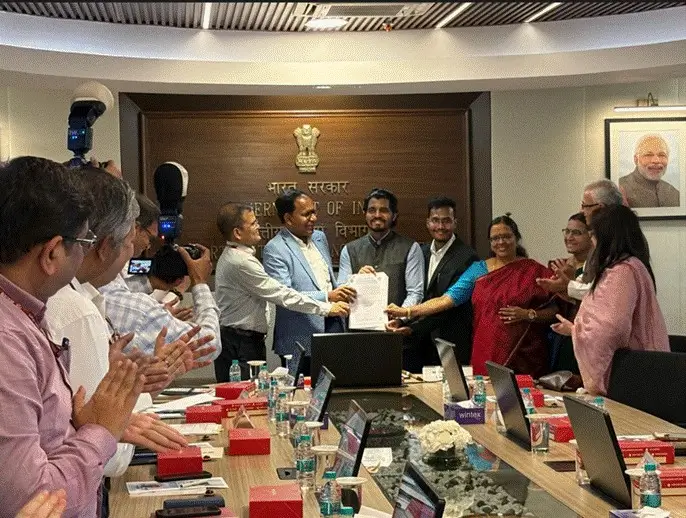
The event chaired by the Secretary of DFS in New Delhi brought together major figures from across the industry. Key leaders from the Directorate General of Shipping, General Insurance Corporation of India, New India Assurance Company Limited, Shipping Corporation of India Limited, General Insurance Council, and Ministry of Ports, Shipping and Waterways were present.
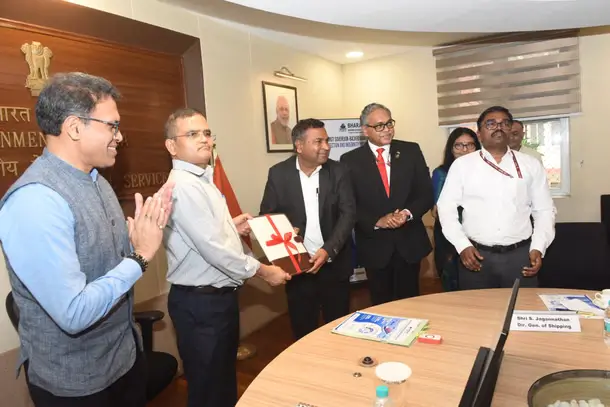
During the launch, the Secretary of DFS handed over the very first P&I policy document to the Shipping Corporation of India Limited.\
Here are the key features of this new insurance offering:
- Comprehensive Coverage: It provides financial protection against major third party liabilities, including crew liabilities, cargo liabilities, pollution damage, and wreck removal costs.
- Global Support Network: Policyholders gain access to a 24×7 port correspondent network to manage claims and emergencies efficiently across the globe.
- Massive Indemnity Limit: The combined capacity of the pool provides an indemnity limit up to USD 1.5 billion.
- Domestic Underwriting: Designed by New India Assurance Company Limited, it brings specialized underwriting expertise directly into the Indian domestic market.
Lower Costs and Better Market Acceptance
Since its operationalization in May 2026, BMIP has demonstrated quick acceptance across the maritime industry. One of its biggest achievements is lowering financial burdens on Indian traders and shipowners.
During the height of the West Asia conflict, maritime war risk insurance premiums spiked dramatically worldwide. With the introduction of BMIP, war risk premium rates in India have decreased approximately by 35-40% compared to those high levels.
This drop in rates makes shipping significantly more affordable for Indian companies, giving them a competitive edge in international trade. The uptake of the pool’s products has been swift:
- As on 29th July 2026, a total of 1608 policies covering Cargo War risks and Hull War risks have been issued under the Pool.
By bringing P&I coverage into this same pool structure, shipowners now enjoy similar stability and cost effectiveness for their third party liability needs.
Recommended Read: What is GMDSS – Global Maritime Distress and Safety System
Supporting Atmanirbhar Bharat
For decades, Indian shipping companies had to look toward international P&I clubs, mostly based in Europe, to secure comprehensive third party liability insurance. This meant that huge sums of money spent on insurance premiums left the country every year.
The launch of the sovereign backed P&I product changes this dynamic completely. It aligns with the national vision of Atmanirbhar Bharat, or self reliant India, in several key ways:
- Reduces Foreign Reliance: It minimizes dependence on foreign insurance providers and overseas P&I clubs.
- Keeps Value Local: Premium payments stay within the Indian domestic economy, strengthening domestic financial institutions.
- Builds Local Expertise: It fosters specialized underwriting and maritime risk management skills within Indian insurance firms.
- Guarantees Continuity: It ensures that Indian trade vessels will not be stranded due to sudden shifts or restrictions in overseas insurance markets.
Recent Maritime Policy Updates You Should Know
Along with financial protections, operational updates are also underway to support Indian seafarers and vessel operators.
The Directorate General of Maritime Administration, or DGMA, issued Circular No. 44 of 2026 on 31st July 2026. This circular introduces the roll-out of BSID Version 2.0 for issuing Biometric Seafarer’s Identity Documents to Indian seafarers.
Here is what you need to know about BSID Version 2.0:
- Background: The initial chip-based BSID cards were introduced on 5th April 2019 in compliance with ILO Convention No. 185. Over 4 lakh BSID cards have been issued to Indian seafarers since then.
- Why the Upgrade: Emerging needs and evolving global maritime standards required software upgrades and the incorporation of facial biometrics technology.
- Online Facilities: The new BSID Version 2.0 module introduces an online application system for replacement, renewal, or duplicate cards. Previously, lack of online renewals caused inconveniences at foreign ports and sometimes led to fines on vessels.
- Validity of Old Cards: Existing BSID cards remain valid until their actual expiry date. Seafarers holding valid cards do not need to take any immediate action.
- Effective Date: BSID Version 2.0 comes into force starting 01st August 2026.
These administrative improvements, paired with sovereign backed P&I insurance, point toward a more streamlined, reliable environment for Indian shipping operations.
Recommended Read: Why the V O C Port Authority is Facing Serious Questions Over a New Mega Project Contract
Frequently Asked Questions
1. What is the main purpose of the new P&I insurance product under BMIP?
The main purpose is to provide Indian shipowners with sovereign-backed coverage for third party liabilities, including crew, cargo, pollution, and wreck removal risks.
2. How much indemnity coverage does the BMIP P&I insurance offer?
The combined capacity of the pool provides an indemnity limit up to USD 1.5 billion for covered liabilities.
3. How has the launch of BMIP affected maritime war risk premium rates?
War risk premium rates have decreased by approximately 35-40% compared to the high levels seen during the West Asia conflict.
4. How many policies were issued under BMIP as of 29th July 2026?
A total of 1608 policies covering Cargo War risks and Hull War risks were issued under the pool as on 29th July 2026.
5. Do seafarers with valid existing BSID cards need to reapply under BSID Version 2.0 immediately?
No, existing BSID cards remain fully valid until their scheduled expiry date, so current cardholders do not need to take immediate action.
