
Table of Contents
Rise of the World’s Biggest LPG Carriers
Liquefied Petroleum Gas (LPG) has become a critical component of the global energy mix. It is widely used for domestic cooking, industrial heating, petrochemical production, transportation fuel, and power generation. As countries aim to reduce emissions and move away from coal and heavy fuels, LPG is increasingly viewed as a cleaner transition fuel. This shift has significantly increased global demand, especially in Asia, Europe, and emerging economies.
To meet this demand efficiently, the maritime industry relies on Very Large Gas Carriers (VLGCs) specialised vessels designed to transport LPG in liquid form under controlled pressure and temperature. Over the past two decades, VLGCs have grown larger, safer, and more energy-efficient. Modern LPG carriers are equipped with advanced cargo containment systems, dual-fuel engines, and hull designs that reduce fuel consumption and emissions.
The following list highlights 15 of the world’s biggest LPG carriers, mixing individual flagship vessels and influential fleets that dominate global LPG trade. These ships operate on major routes such as the Arabian Gulf–Asia and United States–Asia corridors and form the backbone of international LPG transportation.
1. Harzand — The World’s Largest LPG Carrier
Harzand is currently recognised as the largest LPG carrier in the world, with a massive cargo capacity of approximately 93,000 cubic meters. Built by Jiangnan Shipyard in China and delivered in 2023, the vessel is owned by Petredec, one of the world’s leading LPG traders and shipping companies.
From a technical standpoint, Harzand represents a major leap in LPG carrier design. It is powered by MAN ES LGIP dual-fuel engines, allowing the ship to operate on LPG as fuel. This significantly reduces carbon dioxide emissions and almost eliminates sulphur emissions, helping the vessel comply with the latest IMO environmental regulations. Compared to earlier-generation VLGCs, Harzand can reportedly reduce CO₂ emissions by around 30%.
The vessel measures roughly 230 meters in length with a beam of about 36.6 meters, making it well-suited for long-haul international routes. Its advanced hull design, energy-saving devices, and modern cargo containment system improve fuel efficiency while ensuring high safety standards. Harzand primarily serves major LPG export-import corridors, supporting large-scale gas movement between producers and consumer markets.
Harzand is a clear example of how the biggest LPG carriers are evolving combining record-breaking capacity with sustainability, efficiency, and long-term operational value.

2. BW Messina — A Modern Flagship of BW LPG
BW Messina is one of the largest LPG carriers operated by BW LPG, the world’s biggest owner and operator of VLGCs. Built in 2019 by Hyundai Heavy Industries in South Korea, the vessel has a cargo capacity of around 84,000 cubic meters, placing it among the biggest LPG carriers currently in service.
Designed for long-distance international trade, BW Messina regularly operates on major LPG routes linking the Middle East, United States, and Asia. The ship features an efficient propulsion system optimised to reduce fuel consumption and operating costs while maintaining reliable performance over extended voyages.
From a technical perspective, BW Messina is equipped with advanced cargo monitoring systems that allow precise control of pressure and temperature throughout the journey. This ensures safe transportation of LPG under varying sea and weather conditions. Its hull design also contributes to improved hydrodynamic efficiency, reducing resistance and fuel usage.
BW Messina reflects BW LPG’s strategy of investing in modern, fuel-efficient VLGCs that meet strict environmental and safety standards. While not the largest in absolute size, its balance of capacity, efficiency, and reliability makes it a key asset in the global LPG shipping industry.
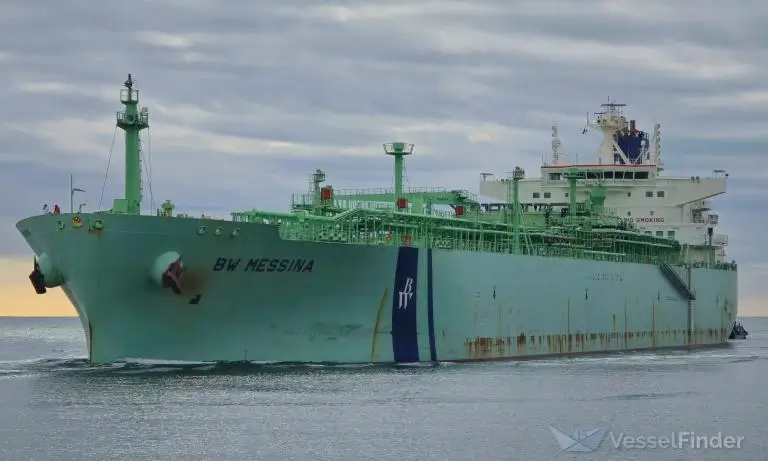
3. Pan Diamond — A High-Capacity LPG Megaship
Pan Diamond is one of the newest ultra-large LPG carriers, with a cargo capacity of approximately 91,000 cubic meters. It belongs to a new generation of VLGCs designed to maximise cargo volume while maintaining high safety and environmental performance.
Technically, Pan Diamond is equipped with advanced cargo containment systems that ensure LPG remains stable throughout long ocean crossings. These systems are crucial for maintaining cargo integrity during voyages spanning thousands of nautical miles. The vessel’s hull form is optimised to reduce drag, improving fuel efficiency and lowering emissions per tonne of LPG transported.
Pan Diamond is primarily deployed on long-haul global trade routes, where its large capacity offers strong economies of scale. By transporting more LPG per voyage, the ship reduces the total number of trips required, cutting fuel use and overall logistics costs.
As global LPG demand continues to rise, vessels like Pan Diamond play an important role in strengthening supply chains. It demonstrates how the largest LPG carriers are now designed not just for size, but for efficiency, safety, and long-term commercial viability.
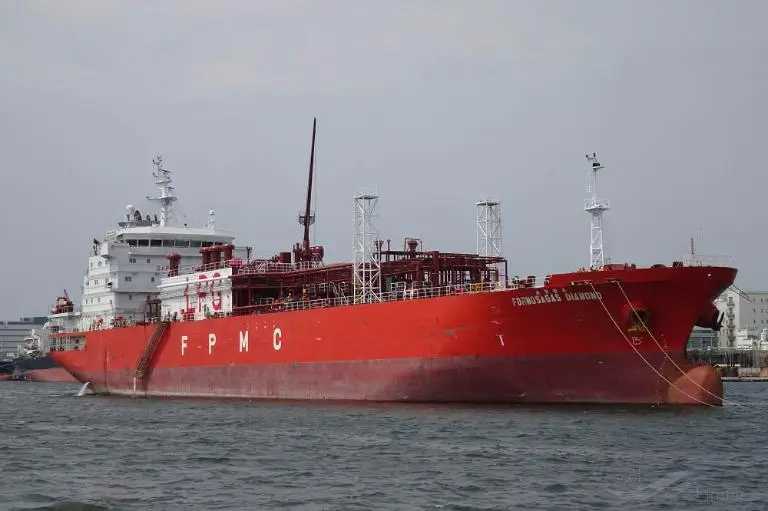
4. Bellavista Explorer — A Benchmark for Green LPG Shipping
Bellavista Explorer is widely regarded as one of the most environmentally advanced LPG carriers in the world. Built in 2021 by Hyundai Samho Heavy Industries in South Korea, the vessel has a cargo capacity of about 90,000 cubic meters.
The ship is equipped with dual-fuel propulsion technology, allowing it to operate on LPG or conventional marine fuels. This flexibility significantly improves its environmental performance, with major reductions in sulphur oxide, nitrogen oxide, and greenhouse gas emissions. Bellavista Explorer reportedly achieves up to 80% lower sulphur emissions and 25% lower greenhouse gas emissions compared to older LPG carriers.
Bellavista Explorer also features a double-hull design, enhancing safety and reducing the risk of cargo leakage in case of grounding or collision. Its modern cargo handling systems allow faster loading and unloading, improving turnaround times at ports.
This vessel represents a key shift in the LPG shipping industry where environmental performance is now as important as cargo capacity. Bellavista Explorer sets a benchmark for future VLGCs entering the global fleet.
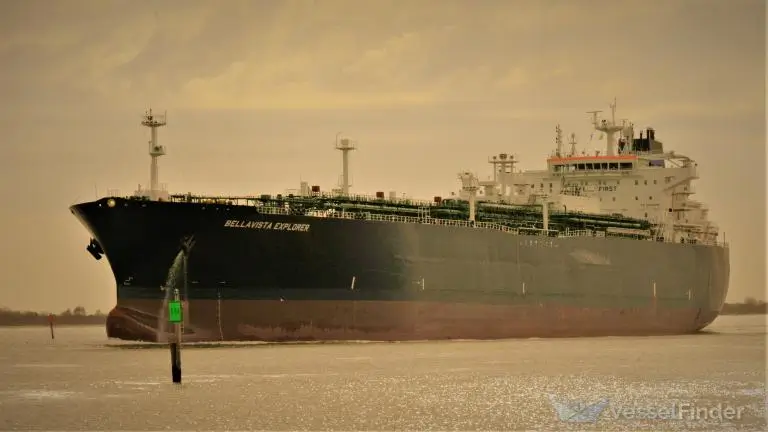
5. BW Kyoto — A Reliable Workhorse in Global LPG Trade
BW Kyoto is a modern VLGC with a cargo capacity of approximately 82,000 cubic meters and is part of BW LPG’s extensive global fleet. Built to serve long-distance LPG trade routes, the vessel combines reliability, efficiency, and strong safety standards.
From a technical standpoint, BW Kyoto features advanced navigation systems and automated cargo controls that allow precise monitoring throughout the voyage. Its cargo containment system is designed to maintain stable pressure and temperature, ensuring safe delivery of LPG to import terminals worldwide.
The vessel’s hull and propulsion system are optimised to reduce fuel consumption, making it cost-effective to operate even during periods of volatile fuel prices. This efficiency also contributes to lower emissions per unit of cargo transported.
BW Kyoto may not be the largest LPG carrier, but it plays a critical role as a dependable workhorse supporting global energy supply chains. Ships like BW Kyoto highlight how mid-sized VLGCs remain essential alongside the biggest LPG carriers.
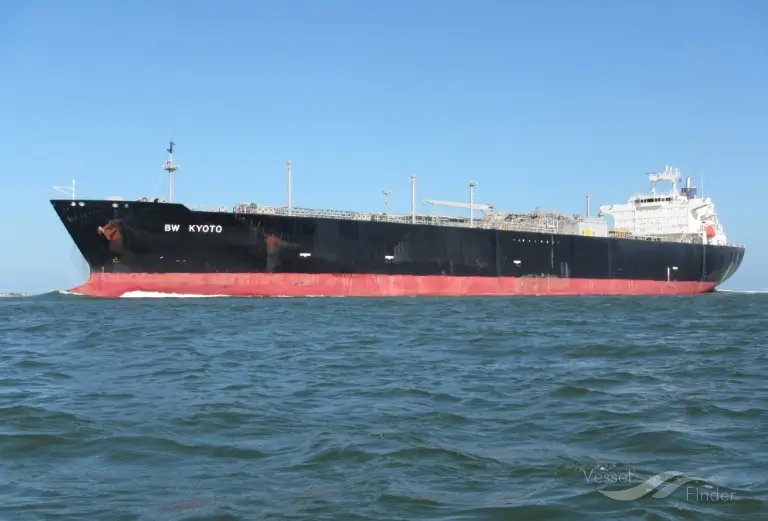
6. Dorian LPG COMET-Class Ships — A Powerful VLGC Fleet
The COMET-class ships operated by Dorian LPG represent one of the most influential VLGC fleets in the global LPG shipping industry. Rather than a single vessel, this class includes 19 large LPG carriers, each with a cargo capacity of around 84,000 cubic meters. Together, they form a major force in international LPG transportation.
These vessels were built at leading South Korean shipyards and are designed with a strong focus on fuel efficiency and environmental compliance. Their modern hull forms reduce water resistance, while efficient main engines help lower fuel consumption and emissions per tonne of LPG transported. This makes the COMET-class particularly competitive on long-haul routes.
Operationally, the fleet is heavily deployed on key LPG trade corridors, especially between the United States, Middle East, and Asia. The scale of the fleet allows Dorian LPG to offer consistent, reliable shipping capacity to major energy companies and traders.
From a technical perspective, COMET-class ships are equipped with advanced cargo containment and monitoring systems that ensure safe handling of LPG under pressure. Their relatively young age also means lower maintenance costs and higher operational availability. As a group, the COMET-class vessels highlight how fleet-based strategies play a critical role in supporting global LPG supply chains.
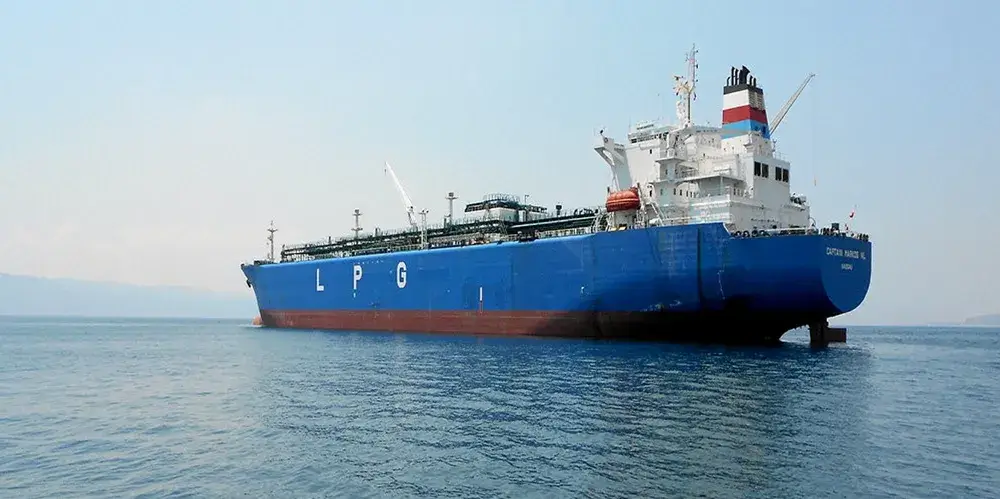
7. Pan Dacia — Built for High-Volume Global LPG Trade
Pan Dacia is one of the largest individual LPG carriers currently in operation, with a cargo capacity of approximately 91,000 cubic meters. Designed for large-scale international trade, the vessel belongs to the new generation of ultra-large VLGCs built to maximise efficiency and cargo volume.
Technically, Pan Dacia features a highly advanced cargo containment system that ensures LPG remains stable throughout long voyages. Maintaining precise pressure and temperature is critical when transporting gas over extended distances, and Pan Dacia is engineered to meet these demands reliably.
The vessel’s hull design is optimised for fuel efficiency, reducing drag and improving voyage economics. Its propulsion system is designed to deliver consistent performance across varying sea conditions, making it suitable for global routes connecting the Americas, Middle East, and Asia.
Pan Dacia’s large capacity allows operators to transport more LPG per voyage, reducing the number of trips required and lowering overall logistics costs. This efficiency makes it particularly valuable in today’s energy markets, where cost control and environmental performance are increasingly important. Pan Dacia clearly demonstrates how scale and technology combine in the world’s biggest LPG carriers.
8. Flanders Innovation — A Leader in Dual-Fuel LPG Shipping
Flanders Innovation is one of the most technologically advanced LPG carriers in service today. Built in 2021 by Jiangnan Shipyard in China, the vessel has a cargo capacity of around 88,000 cubic meters and is operated by Exmar Shipmanagement.
One of the ship’s defining features is its ability to operate primarily on LPG fuel. This dual-fuel capability allows Flanders Innovation to significantly reduce emissions compared to conventional VLGCs. According to its operators, the vessel can cut operational emissions by nearly 38% relative to IMO reference lines for gas carriers.
From a safety standpoint, Flanders Innovation is equipped with a double-hull structure, reducing the risk of cargo leakage. Its advanced cargo control systems enable precise monitoring throughout the voyage, ensuring stable and secure transportation of LPG.
The vessel operates mainly on long-haul international routes, where environmental performance and fuel efficiency provide strong commercial advantages. Flanders Innovation stands as a clear example of how modern LPG carriers are becoming part of the solution to cleaner maritime transport rather than contributors to emissions.
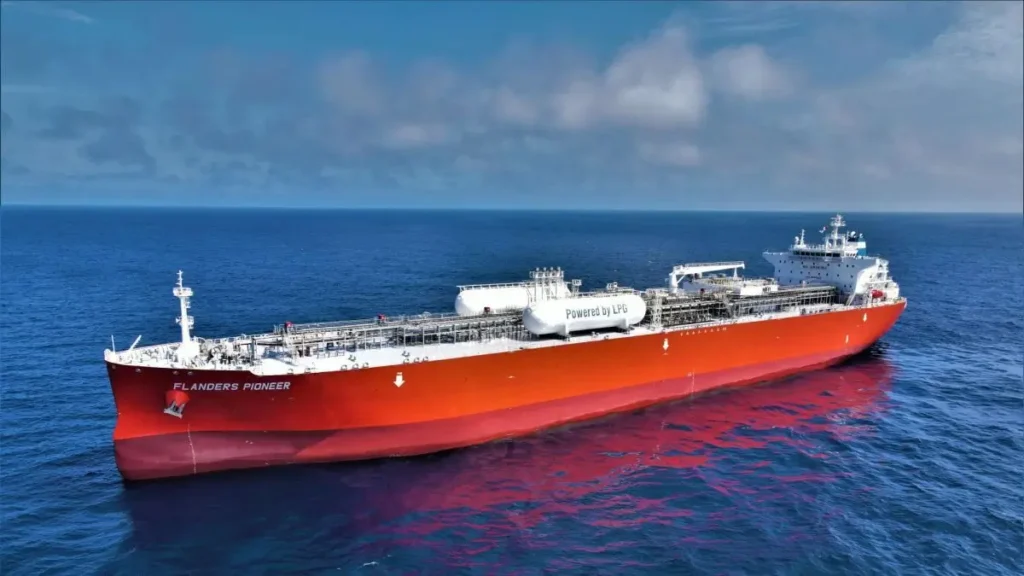
9. BW Lord — Supporting India’s Growing LPG Demand
BW Lord is one of the most strategically important LPG carriers linked to India’s energy supply. With a cargo capacity of approximately 84,600 cubic meters, it ranks among the largest VLGCs serving the Indian market.
Built in 2008 by Daewoo Shipbuilding & Marine Engineering in South Korea, BW Lord is owned by BW Global United LPG India Private Limited and sails under the Indian flag. The vessel plays a vital role in supporting India’s rapidly growing LPG consumption, which is driven by household cooking fuel programs and industrial demand.
Technically, BW Lord is equipped with a reliable main engine supported by auxiliary engines that ensure stable performance over long voyages. Its cargo containment system is designed for safe LPG transportation under pressure, meeting international safety standards.
While newer VLGCs may offer higher fuel efficiency, BW Lord remains a dependable asset in India’s LPG supply chain. Its continued operation highlights how well-built LPG carriers can remain relevant for many years when properly maintained and operated.
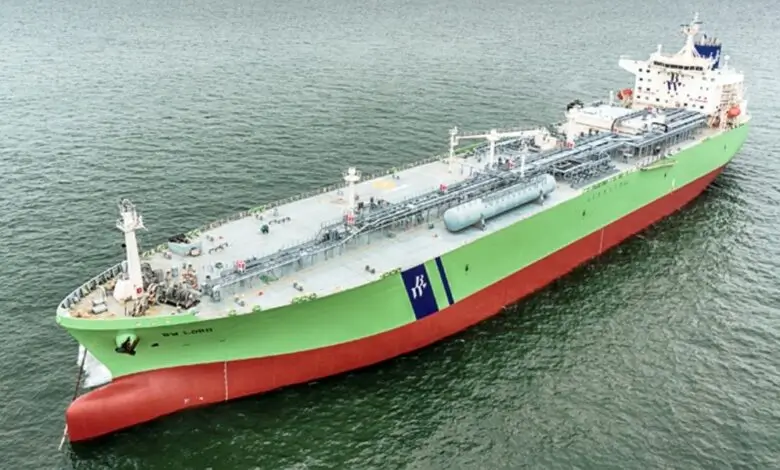
10. BW Magellan — A Proven Performer in Long-Haul LPG Trade
BW Magellan is another key VLGC operated by BW LPG, with a cargo capacity of around 82,500 cubic meters. Designed for reliability and operational consistency, the vessel is widely used on long-distance LPG trade routes.
The ship features efficient propulsion and hull design that help reduce fuel consumption while maintaining steady cruising speeds. Its cargo handling systems allow precise control of LPG conditions, ensuring safe transport across different climatic zones.
BW Magellan is equipped with modern navigation and monitoring technology, enhancing safety and situational awareness during long ocean crossings. This reliability makes it a preferred choice for regular LPG transportation between major export and import regions.
Although slightly smaller than the newest ultra-large VLGCs, BW Magellan remains a valuable asset in the global LPG fleet. It demonstrates how well-balanced design and proven engineering can deliver long-term value in the LPG shipping industry.
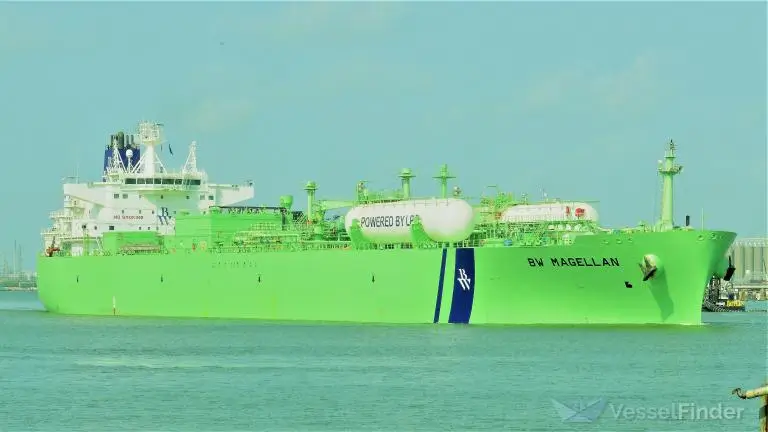
11. Pan Armada — Designed for Efficiency and Fast Turnaround
Pan Armada is a large VLGC operated by Avance Gas, with a cargo capacity of approximately 83,000 cubic meters. The vessel is designed to balance high carrying capacity with fuel efficiency, making it well-suited for long-haul LPG transportation across major global routes.
From a technical standpoint, Pan Armada features a streamlined hull design that reduces hydrodynamic resistance, helping lower fuel consumption during voyages. Its propulsion system is optimised to deliver steady performance while minimising emissions per tonne of LPG transported. This efficiency is particularly valuable on routes linking the Middle East and the United States with Asian markets.
The ship is equipped with advanced cargo pumps and handling systems that enable faster loading and unloading operations. Reduced port turnaround time improves vessel utilisation and helps operators manage tight delivery schedules. Pan Armada also incorporates modern navigation and monitoring systems, enhancing safety during extended ocean crossings.
Pan Armada reflects how today’s largest LPG carriers are engineered for operational productivity as much as size. Its combination of capacity, efficiency, and reliability makes it a key contributor to global LPG supply chains.
12. Pan Africa — Built for Stability Across Long Ocean Routes
Pan Africa is another VLGC operated by Avance Gas, carrying around 83,000 cubic meters of LPG. The vessel is specifically designed to maintain stability and performance across a wide range of sea and weather conditions.
Technically, Pan Africa features a robust hull structure and well-balanced design that ensures safe operations during long voyages. Its cargo containment system maintains precise control of pressure and temperature, which is essential for transporting LPG safely over thousands of nautical miles.
Pan Africa operates across multiple global trade routes, including Asia, the Middle East, and the Americas. Its design allows it to handle rough seas while maintaining cargo safety and fuel efficiency. Modern navigation and automation systems further enhance operational reliability.
As part of Avance Gas’s modern fleet, Pan Africa demonstrates how LPG carrier vessels are built not just for size, but for dependable performance. Its role is vital in maintaining consistent LPG supply to energy-dependent regions worldwide.
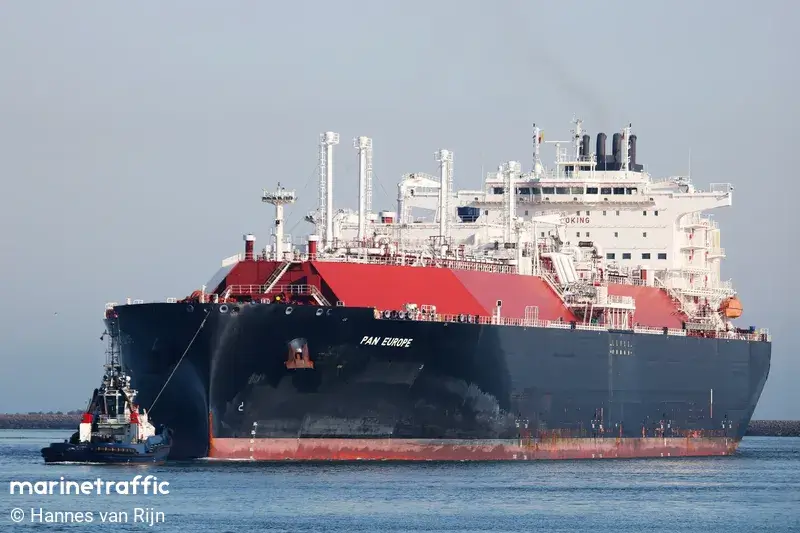
13. Pan Europe — A Versatile VLGC for Global Markets
With a cargo capacity of about 83,000 cubic meters, Pan Europe is a versatile LPG carrier designed for operation in diverse climatic conditions. Also operated by Avance Gas, the vessel is engineered to perform efficiently on a wide range of international routes.
Pan Europe’s propulsion and machinery systems are optimised to reduce fuel consumption while maintaining reliable cruising speeds. This helps lower operating costs and emissions, making the vessel commercially attractive in a competitive LPG shipping market.
The ship’s cargo systems allow precise monitoring and control, ensuring safe handling of LPG during loading, transit, and discharge. Its strong hull design contributes to stability and safety, even during long ocean crossings.
Pan Europe highlights the importance of flexibility in modern VLGC design. Its ability to operate efficiently in both warm and cold regions makes it a valuable asset in the global LPG trade.
14. Petredec’s Manifesto — Supporting Global LPG Trading
Manifesto is one of the largest LPG carriers operated by Petredec, with a cargo capacity of approximately 82,200 cubic meters. Built in 2013 by Hyundai Heavy Industries in South Korea, the vessel is registered under the Singapore flag.
Manifesto plays an important role in Petredec’s global trading operations, connecting major LPG export hubs with import-dependent markets. Its size allows it to transport large volumes efficiently, reducing logistics costs per unit of gas.
Technically, the vessel is equipped with reliable cargo containment systems and modern navigation equipment that ensure safe and efficient operations. Its design meets international safety and environmental standards, allowing it to operate on major global routes.
Manifesto represents how well-designed LPG carriers can remain competitive for many years. It continues to support the smooth functioning of global LPG supply chains.
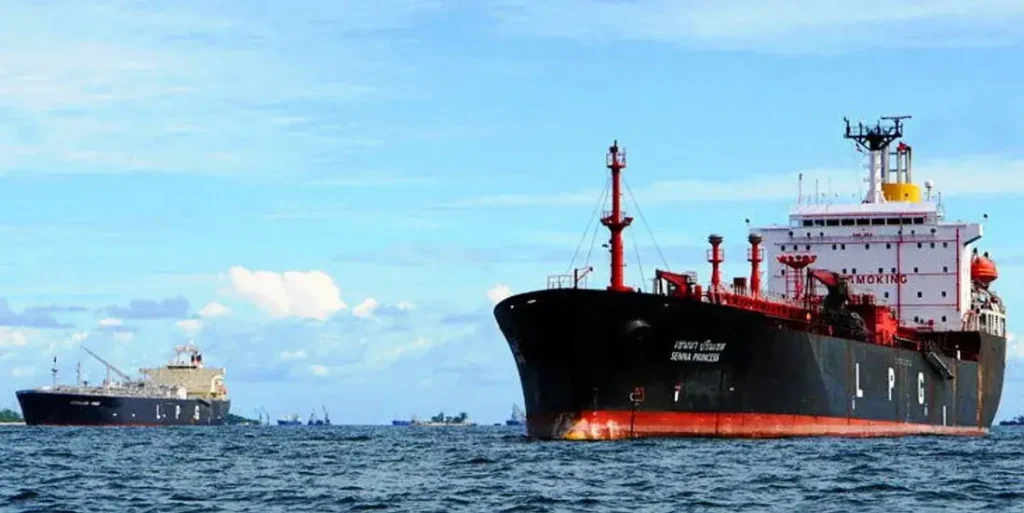
15. Al Wukir — A Strategic Carrier in Qatar’s LPG Exports
Al Wukir is a large VLGC operated by Nakilat, Qatar’s leading shipping company. With a cargo capacity of approximately 82,500 cubic meters, the vessel plays a key role in transporting LPG from Qatar to global markets.
Built by Hyundai Heavy Industries, Al Wukir is designed for long-haul international voyages. Its propulsion and cargo systems are optimised for reliability and safety, ensuring consistent performance across extended routes.
The vessel supports Qatar’s position as one of the world’s leading LPG exporters. By transporting large volumes efficiently, Al Wukir helps maintain stable supply to energy-hungry regions in Asia and beyond.
Al Wukir highlights the strategic importance of VLGCs in national energy export strategies. Ships like this are essential links between producers and consumers in the global LPG market.
Why These Ships Matter
The world’s biggest LPG carriers offer several advantages:
- Higher cargo capacity, reducing shipping cost per unit
- Lower emissions per tonne transported
- Stronger and more reliable energy supply chains
- Advanced safety and cargo containment systems
- Support for the global transition toward cleaner fuels
As LPG demand continues to rise, these ships ensure that energy reaches homes, industries, and power plants efficiently and safely.
Giants That Power the Global LPG Supply Chain
The world’s biggest LPG carriers are more than just engineering marvels; they are critical enablers of global energy trade. From record-breaking vessels like Harzand to efficient fleets operated by BW LPG, Avance Gas, Dorian LPG, and Petredec, these ships ensure that LPG reaches homes, industries, and power plants worldwide.
Modern VLGCs combine massive cargo capacity with advanced safety systems, fuel-efficient designs, and lower emissions per tonne transported. As LPG continues to serve as a key transition fuel in the global shift toward cleaner energy, these vessels will remain at the heart of international supply chains.
Together, these 15 LPG carriers represent the present and future of LPG shipping, larger, cleaner, smarter, and more efficient than ever before.
